
Diari de Tarragona has published an opinion article in its La Tribuna section written by Montse Caelles, General Manager of Miró Vermouth, entitled “The Future of Vermouth: Tradition, Innovation and Sustainability”.
The article reflects on the brand’s recent recognitions and on the path Miró is following to adapt to new consumer habits and expectations, turning vermouth into an experience that combines tradition, innovation, and new consumption moments:
There are moments when recognition goes beyond an award. The accolades recently obtained at the 2026 Vinari Vermouth Awards not only speak about the quality of specific products, but also reflect the current state of the vermouth world: a sector in transformation, attentive to new consumer sensitivities and committed to a more sustainable future.
From our experience as producers, it is increasingly clear to us that the vermouth of the future cannot be understood simply as a drink, but as an experience that connects territory, culture, and lifestyle. And it is precisely here where tradition and innovation stop being opposing concepts and become allies instead.
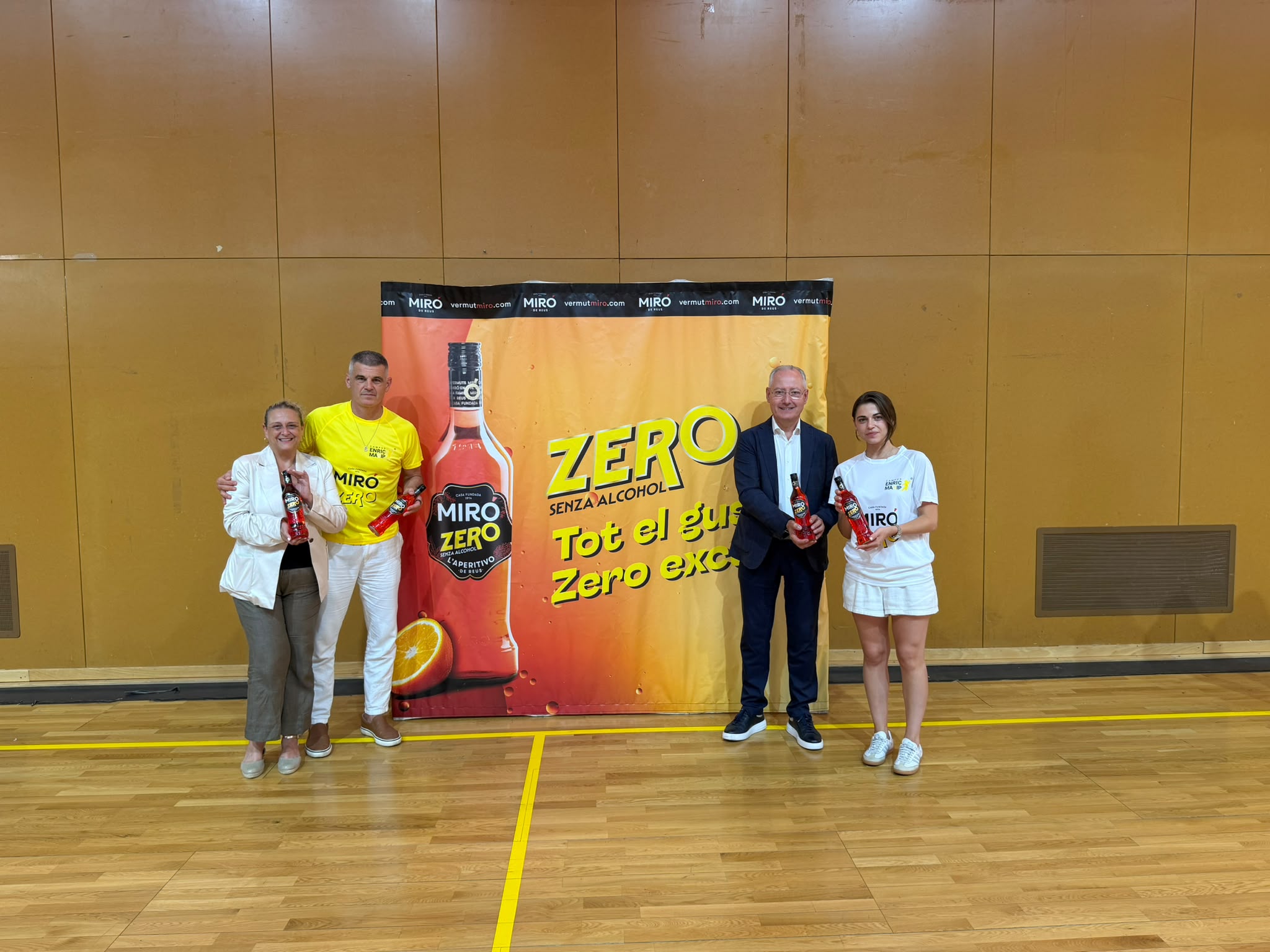
This year’s Vinari Awards recognized exactly this ability to evolve. Products such as Miró Fusión and Miró Rosé explore new sensory paths and connect with consumers seeking freshness, versatility, and new consumption formats. Meanwhile, the award-winning Miró Zero aperitif responds to a growing trend: enjoying the vermouth ritual without alcohol, without giving up the experience. These three product lines are examples of where the sector is heading.
Vermouth is part of our Mediterranean identity. The aromas of thyme and rosemary, the presence of orange or licorice, go beyond simple ingredients: they are bottled landscapes. But today, preserving this essence also means reviewing how we produce, how we select raw materials, and the impact we generate.
Sustainability is no longer an option; it is a responsibility. We are talking about a commitment to the territory, suppliers, and consumers. Investing in more efficient processes, reducing environmental impact, and promoting local products are now inseparable parts of quality itself.
At the same time, we are experiencing a profound shift in consumption habits. Vermouth is no longer only the classic midday ritual; it has become a versatile drink present in new formats, more creative combinations, and diverse occasions. This evolution requires us to listen, adapt, and innovate without losing our soul. Today’s consumers seek new experiences, but they also want healthier, lighter options adapted to different lifestyles. The rise of alcohol-free aperitifs is not a passing trend, but an expression of this new way of understanding consumption.
Innovation, however, does not mean breaking with everything. It means evolving coherently. Incorporating new aromatic profiles, exploring new formats, or daring to create different proposals must always be done with respect for our origins. Because it is precisely this balance that gives meaning to the product.
The future of vermouth also depends on the ability to create community. The vermouth ritual continues to be a moment for gathering, conversation, and pause. And in an increasingly fast-paced world, this social dimension becomes even more valuable.
From Reus, the historic cradle of vermouth, and from Vermuts Miró, we have both the responsibility and the opportunity to lead this path. To prove that growth is possible without losing our essence, that innovation can come from respect, and that we can compete in a global market while maintaining a strong local identity.
The Vinari Awards show us that we are moving in the right direction, but they also remind us that the challenge continues. The future of vermouth will be sustainable, or it will not exist. And it will be innovative, but only if it keeps its roots alive. Because, ultimately, vermouth is not only what is inside the glass. It is everything behind it.